How to Store Saltwater Lures to Prevent Rust
Salt keeps metal damp long after a lure looks dry, which is why a lure can come home looking fine and have a rusty hook two weeks later. This guide covers how to rinse, dry and store your saltwater lures, which habits cause most of the rust, and how to check hooks and split rings before they fail.
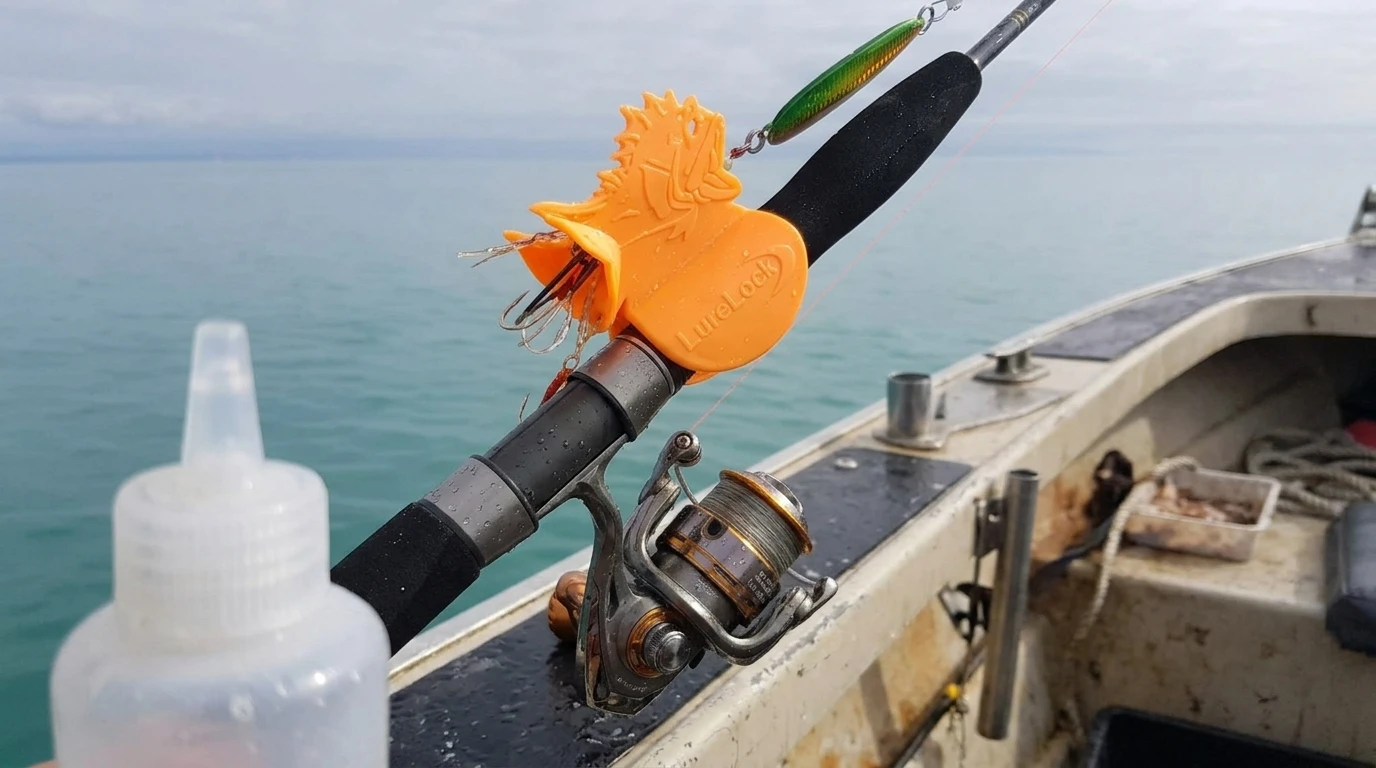
Salt does its damage in two stages. First it sits on the surface of a lure, on the hooks and split rings and inside the hardware eyes. Then it draws moisture out of the air and keeps the metal damp long after the lure looks dry. That second stage is why a lure can come home from a trip looking fine and have a rusty hook a fortnight later.
This guide covers how to store saltwater lures to prevent rust: what to do at the end of a trip, how to dry them, where they should live between trips and which storage habits cause most of the rust.
Why Salt Wrecks Lures Faster than You’d Expect
Hooks and split rings are small pieces of metal with a thin protective coating, usually plating on steel or a grade of stainless. Salt water attacks that coating. Once it breaks down, even a pinhead-sized spot of bare steel starts to rust and the rust spreads under the plating.
Dried salt is the bigger problem. Salt crystals absorb moisture from the air, so a lure that was splashed, left in a bucket or tossed into a bag after the last cast stays damp at the metal. Put it in a closed box and the damp has nowhere to go.
There is also the difference between metals. A lure usually combines a plated or stainless hook, split rings, a wire or through-wire body and sometimes a brass or steel weight. When salty water sits across those different metals, corrosion tends to be faster at the joins. The split ring where the hook attaches is a common first failure point, because water collects between the coils of the ring and stays there.
Rust costs more than the look of the lure. A corroded split ring can open under load and a rusted hook point goes blunt and can snap on a hard strike. A good lure is only as reliable as its weakest piece of metal.
Rinse First: What To Do with Lures at the End of the Trip
Rinse everything that touched salt water and do it the same day. The longer salt dries on a lure, the harder it is to remove and the more time the metal spends corroding.
Use fresh tap water. On a boat, many anglers keep a bottle or a freshwater hose for this. If you fish from shore, rinse them as soon as you are home, before you unpack anything else.
A few practical points:
- Rinse every lure you took out of the box, used or not. Spray and splash get into the box and lures that were never cast can still be wet and salty.
- Hold each lure under running water and move it around so water gets into the split rings, the hook eyes and the joints of jointed lures.
- Give hard-bodied lures a short soak in a container of fresh water if they are very salty. Don’t leave them for hours, because water can get into the joints of some lures.
- Rinse soft plastics separately. Soft plastics can react with the paint and plastic of other lures if they are stored together, so they should not share a container with hard-bodied lures.
- Rinse the tackle box tray or bag too. If the container is salty, the lures you put back in will be exposed to the same salt.
You do not need soap or special products. Plain fresh water removes the salt and the drying that follows matters more than anything you add to the rinse.
Drying Lures Properly Before They Go Away

Lures that go into storage wet are the usual cause of rust, so give drying as much attention as rinsing.
Shake off the water, then lay the lures out on a towel or hang them somewhere with moving air. A spot out of direct sun is best, since strong sun over a long period can fade paint and affect some plastics. A shed, a garage bench or a covered deck all work. Leave them until the hooks, split rings and every joint are fully dry. That usually takes several hours and overnight is better after a very salty trip.
Water hides in places you can’t easily see:
- The hook eye and the gap between the hook and the split ring.
- The coils of the split ring itself.
- The hinge points on jointed lures and the area around the line tie.
- The inside of the hook bend where the hook meets the body.
A quick wipe with a dry cloth helps with the hardware. Pat the hooks and rings rather than rubbing, so you do not snag the cloth on the points.
If you want an extra layer of protection, a light wipe of a corrosion-inhibiting spray or oil on the hooks and split rings can slow rust. Keep it off the lure body and away from soft plastics, since oils can damage the finish or the plastic. Check the product label before using it near your lures.
The Storage Mistakes that Cause Rust
Most rusty lures come from the same few habits. None of them look like mistakes at the time.
Putting damp lures into a closed tackle box
A closed tackle box holds the moisture in. Even lures that feel dry on the surface can have water in the split rings and that water evaporates into the sealed air inside the box and settles back on the metal. One wet lure can affect everything else in the tray.
Sealing lures in plastic bags
Zip bags and dry bags are good for keeping the outside world out. Used for damp lures, they keep the moisture in. A bag of lures left in a boat locker or a car boot on a warm day can fog up inside and the hooks sit in that humid air for days. Bags are fine for transport once the lures are fully dry. They should not be where lures dry out.
Mixing metals and mixing wet with dry
Throwing every lure into one compartment puts different hook plating’s, split rings and body metals in contact with each other while damp. Rust from one hook can also stain the lures next to it. A single rusty lure in a box tends to pass its problem on.
Leaving lures in the box on the boat
A tackle box that lives on the boat is exposed to salt spray, humidity and temperature swings. Lures left in it for weeks between trips are the ones that most often come out rusty.
Skipping the rinse after a short trip
Short sessions feel like they do not need a rinse, particularly if you only used a few lures. Salt does not care how long you fished. A quick rinse costs a minute or two and is far cheaper than replacing hooks.
Keeping Lures Separate and Airy with Clip-On Storage
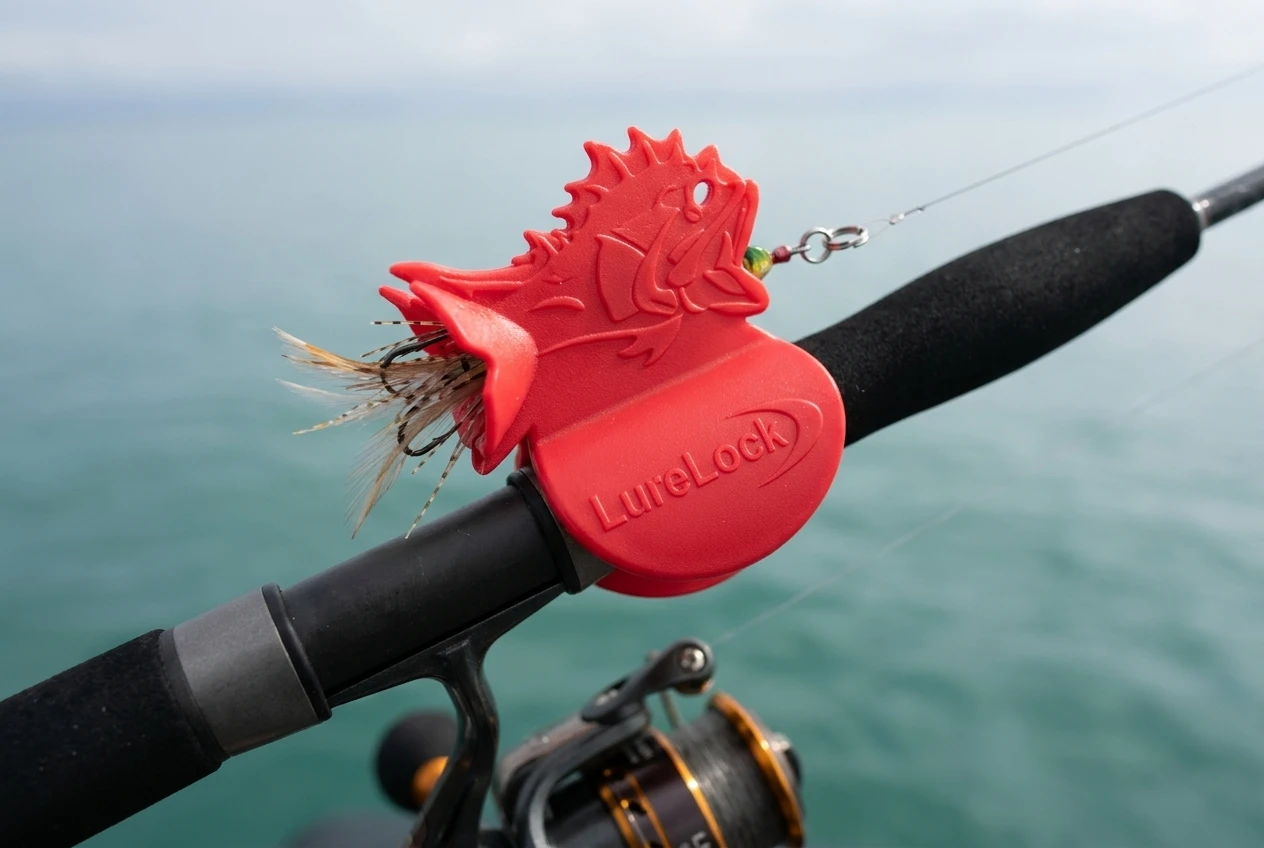
The common thread in all of those mistakes is lures packed close together with no airflow. The better approach is storage that keeps each lure apart from the next and lets air reach the hooks.
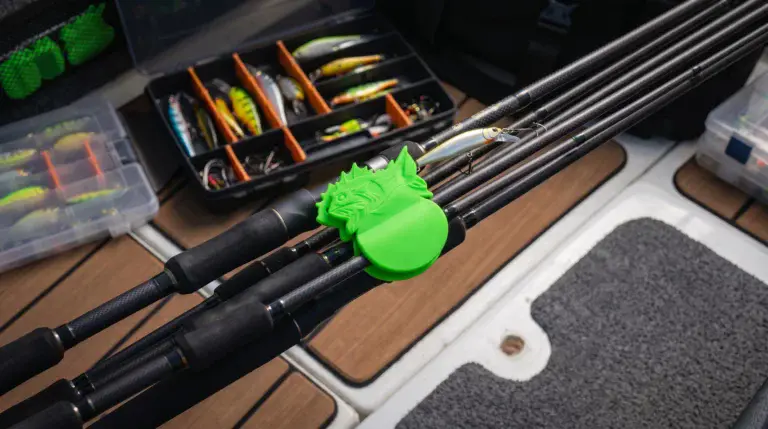
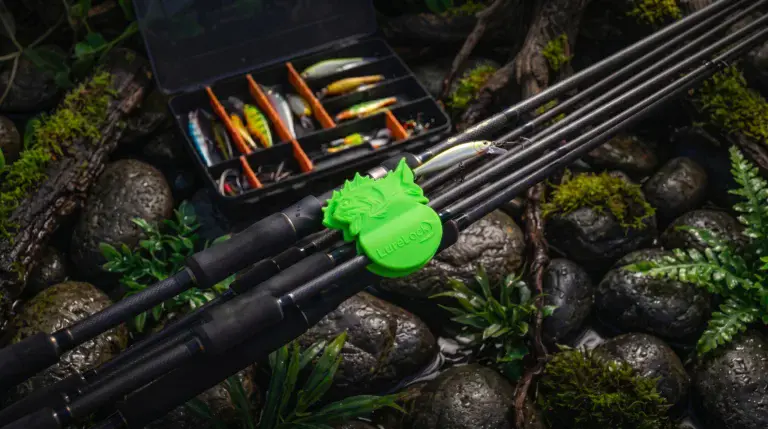
Clip-on storage does this. Each lure is held on its own, rather than lying in a pile, so hooks are not touching other hooks or rings. Separation also helps with tangles, which is a different problem, but it is the same fix. If you want more on that side, the post on how to prevent fishing lure tangles covers it.
For rust, the benefits are practical:
- Air can move around each lure, so the hooks and split rings finish drying instead of staying damp.
- Lures are not pressed against each other, which reduces rust and stains transferring between them.
- Drying and storing can happen in the same place. A lure that has been rinsed can be clipped on and left to dry, then stay there until the next trip, without being handled and repacked while still damp.
- Checking is easier. When lures are visible and separated, you notice a rust spot before it spreads.
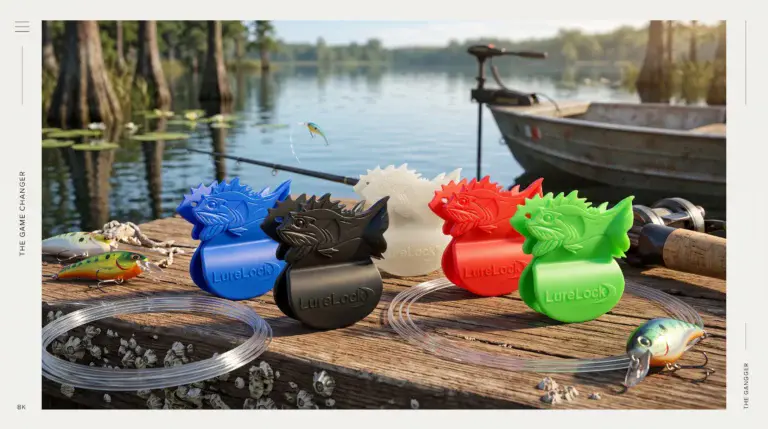
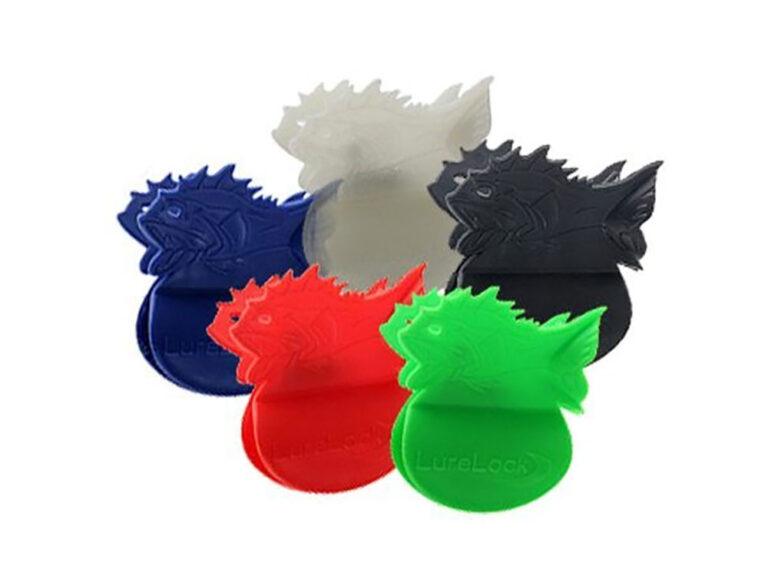
LureLock is a clip-on rod lure storage product built for this kind of organising. If you want to see how it works before deciding, What is a LureLock explains the product.
Hooks and Split Rings: What to Check and When to Replace Them
After each trip, once the lures are dry, look at the metal. It takes a minute and catches problems early.
Hooks. Look for orange or brown spots, rough pitting on the hook bend or a dull point. Surface rust that has just started can sometimes be cleaned off with a light rub, but a hook with pitting or a weak point should be replaced. A hook that has lost metal can bend or break and a fish lost to a rusty hook is a poor outcome for a lure that cost real money.
Split rings. These fail more often than people expect. Look for rust between the coils, a ring that no longer sits closed, or a ring that looks stained or rough. Replace any ring that shows corrosion. Split rings are cheap and swapping one takes a minute with split ring pliers.
The line tie and hook hanger. Check the wire loop where you attach your line. If it is rusty, the lure may not be worth fishing until it is repaired.
A sensible rule is to replace the hooks and rings on any lure that has visible rust, instead of waiting for it to fail. Replacement hooks and rings should be sized to suit the lure. If you are unsure, match what was originally fitted. Where a lure often sits in salt water, such as one you troll or cast from a boat all day, a stainless or otherwise corrosion-resistant hook and ring will usually last longer than basic plated ones.
A Simple After-Fishing Routine You’ll Actually Stick To
A routine only works if it is short enough to do when you are tired and the fish are already on ice. This one is built around that.
- Rinse. Fresh water over every lure that came out of the box, including unused ones. Rinse the tray or bag as well.
- Shake and wipe. Get the bulk of the water off and pat the hooks and rings with a dry cloth.
- Dry in the open. Lay the lures out or hang them in a ventilated spot until fully dry, preferably overnight after a salty day.
- Check the metal. Look at hooks and split rings and put any lure with rust aside to fix.
- Store separately. Put each lure away on its own, with airflow, not in a damp pile.
The first two steps can be done at the boat ramp or beside the car. The rest can wait until you are home. If you only manage one thing after a tiring day, rinse the lures and leave them out to dry. Putting them away is better done the next day.
Storing Lures on the Boat and at Home Between Trips
Where lures live between trips is the last piece. The aim is a place that is dry and has some air movement.
At home, a shed, garage or spare room works if it stays dry. Avoid anywhere that gets damp, such as a laundry with a lot of steam or a garage that floods. If you use a closed tackle box, leave the lid open while the lures dry and consider adding silica gel packs to absorb moisture. Replace or dry them out according to the pack instructions.
On the boat, the conditions are tougher. Salt spray and humidity are constant and a locker can hold moisture for weeks. If you keep lures aboard, make sure they are dry before they go in and check them often. Many anglers prefer to take lures home after each trip and bring back only what they need next time. That removes the biggest source of rust, which is lures sitting aboard in damp air.
On the rod, lures that are clipped to the rod in a storage product are exposed to spray while you travel. Rinse and dry the whole thing when you are done, as you would any other lure. The post on protecting your fishing gear covers the wider picture and travel safe fishing gear storage is useful if you are moving lures by road.
Take a look at how LureLock keeps lures separated and easy to dry, then find your nearest New Zealand stockist on the Find LureLock in NZ page.